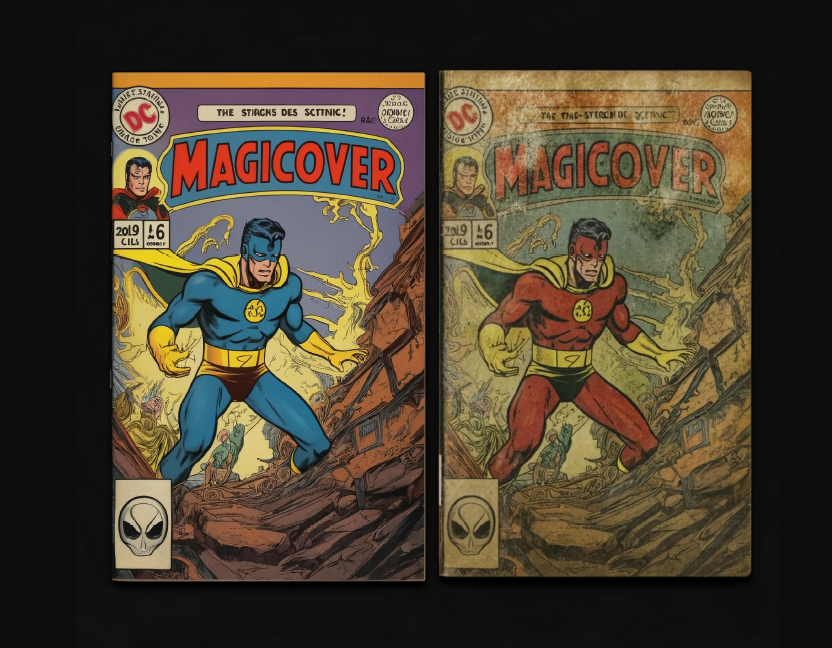
MYLAR SLEEVES
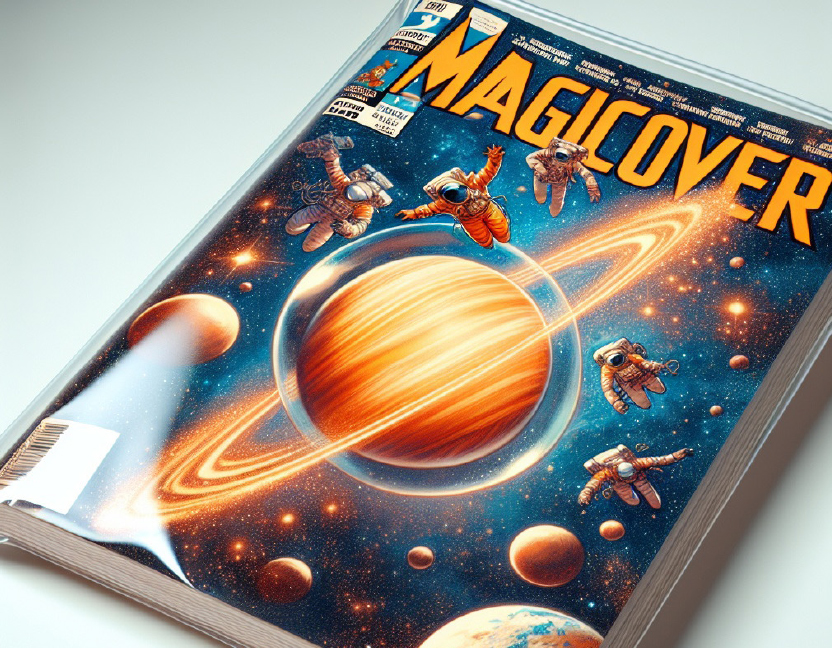
Mylar comic book sleeves¹ are widely recognized as the gold standard for comic book preservation, offering unparalleled protection against various forms of damage. These sleeves, made from a durable, chemically inert polyester film, provide long-lasting protection, ensuring that comics remain in excellent condition over time. Mylar sleeves offer a multi-layered defense against environmental, physical, and chemical risks, making them an essential tool for serious comic book collectors.

• Mechanical Stress: Mylar comic bags offer a rigid enclosure that protects comics from bending, warping, and damage caused by regular handling. The structural integrity of the comic sleeve prevents mechanical stress, preserving the comic’s shape and preventing wear and tear.

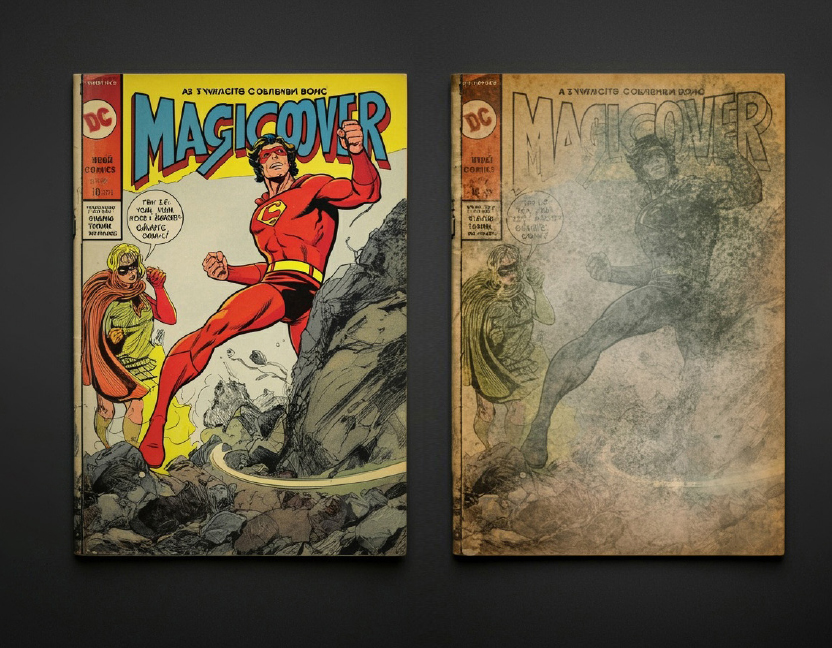
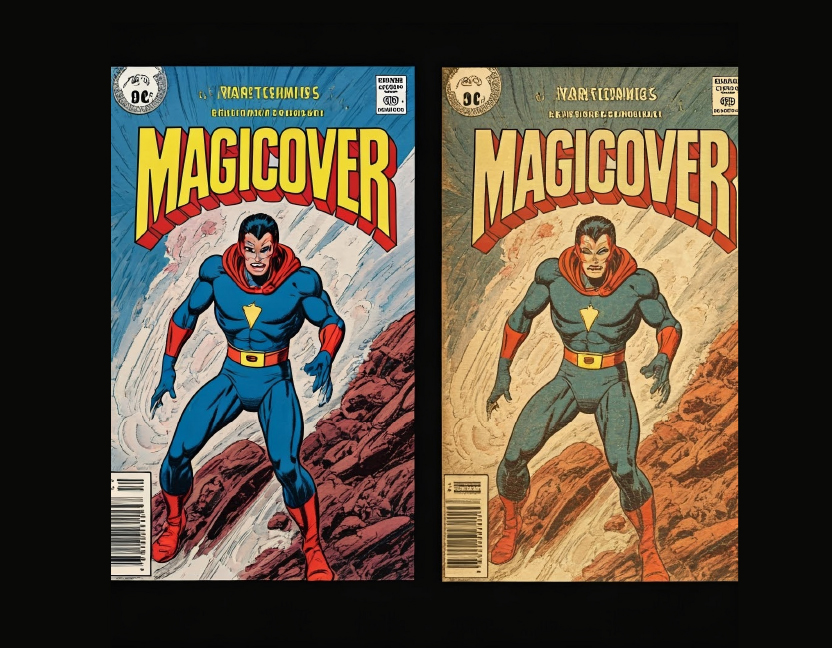
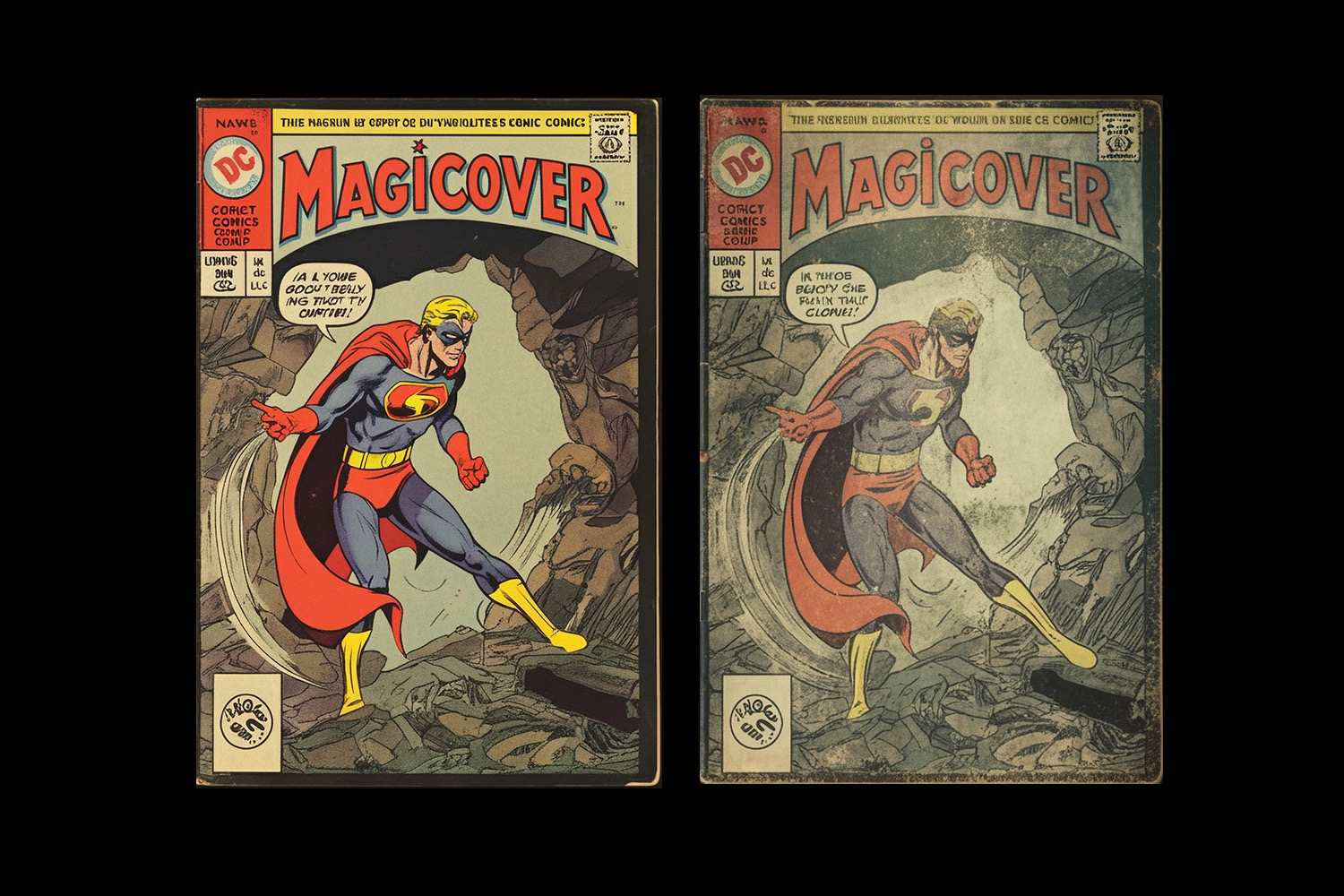
• Chemical Damage: Mylar comic bags act as a barrier against harmful substances such as acids and pollutants. They shield comics from damaging gases, moisture, and external acidic materials, reducing the risk of yellowing, brittleness, and other forms of deterioration.

• Pest Damage: Mylar comic bags create a sealed, pest-proof environment that protects comics from physical damage caused by insects and rodents. The durable material prevents pests from accessing and damaging the comics, offering an added layer of protection.

• Cross-Contamination: In cases where some comics have already been damaged by mold, mildew, or acidic compounds, Mylar comic bags help isolate these affected comics from the rest of the collection. By preventing cross-contamination, they ensure that damage doesn’t spread to other valuable items.

With their ability to protect against mechanical, chemical, pest-related, and cross-contamination threats, Mylar comic sleeves are a critical investment for any collector serious about preserving their comic books for the long term.
¹Comic book sleeves, comic sleeves, or simply sleeves, are terms used to refer to comic book bags. We will often use this naming convention to describe all types of plastic comic bags, including those made from high-end polyester film such as Mylar or Melinex. Alternatively, sleeves are sometimes called pockets to emphasize that the comic bags are closed on three edges, resembling a pocket.
MYLAR SLEEVES COMPARED TO
COMMON PLASTIC SLEEVES
Mylar comic sleeves do not only offer a better-quality solution over common plastic sleeves for comic book preservation but are also superior in terms of long-term cost-effectiveness and time-saving benefits. Here is a breakdown of how Mylar comic book sleeves compare to common plastic sleeves in these aspects:

1. DURABILITY AND LONGEVITY

MYLAR SLEEVES:
• Durability: Mylar is a strong, tear-resistant material that provides high-end protection against physical damage, including tearing and punctures. This durability means that Mylar comic sleeves last longer, reducing the need for frequent replacements.


• Long-Term Investment: Because they are designed to be long-lasting, Mylar sleeves protect comic books effectively over many decades. This long-term protection helps maintain the value and condition of the comics, reducing the need for costly restoration or repairs.

Common Plastic Sleeves:
• Less Durable: Common plastic sleeves, often made from polyethylene, are prone to tearing, punctures, and degradation over time. They are less effective at providing long-term protection and may need to be replaced on an annual or biennial basis.

• Shorter Lifespan: Common plastic sleeves can become brittle and break down with age, leading to increased costs associated with frequent replacements and potential damage to the comics.

2. PROTECTION AGAINST ENVIRONMENTAL FACTORS

Mylar Sleeves:
• Moisture and Contaminant Resistance: Mylar comic sleeves offer superior resistance to moisture, dust, and contaminants. They provide a better seal, protecting the contents from humidity and pollutants that can cause damage over time.

• UV Protection: Many Mylar comic bags are designed to block UV light, which helps prevent fading and discoloration of comic books. This added protection preserves the comics’ appearance and value.

Common Plastic Sleeves:
• Limited Protection: Common plastic comic book bags do not offer the same level of protection against moisture and contaminants. They are often permeable, allowing moisture and pollutants to affect the comics.

• No UV Barrier: Common plastic comic book bags typically do not block UV light, so comics stored in these sleeves are at risk of fading and deterioration from light exposure.

3. PRESERVATION OF VALUE

Mylar Sleeves:
• High-Quality Preservation: Mylar sleeves are considered archival-quality and are specifically designed to prevent degradation and maintain the value of collectibles like comic books. Investing in Mylar sleeves ensures that comics remain in optimal condition, preserving their value over time.

• Reduced Restoration Costs: By preventing damage and degradation, Mylar comic sleeves help avoid the need for expensive restoration work. This saves money in the long run by maintaining the comics’ condition.

Common Plastic Sleeves:
• Risk of Damage: Due to their lower protective qualities, common plastic comic bags may not prevent damage effectively, leading to potential loss in value. Damage from environmental factors can result in costly repairs or diminished value of the comics.

4. TIME-SAVING

Mylar Sleeves:
• Less Frequent Replacement: Due to their durability and effectiveness, Mylar comic bags require less frequent replacement. This reduces the time and effort spent on re-bagging comics and maintaining their condition.

• Efficient Preservation: The superior protection provided by Mylar comic bags means that less ongoing attention is needed to monitor and manage comic book storage conditions.

Common Plastic Sleeves:
• Frequent Replacement: The need to frequently replace deteriorated plastic comic bags increases the time spent on managing comic book storage. This can be particularly time-consuming if large collections are involved.

• More Maintenance: With less effective protection, more time and effort are required to address issues such as moisture damage, pollutants, and frequent re-bagging.

Warning: Insufficient quality of sleeve fabric and improper usage may cause damage. Using poor-quality comic book bags, such as those made from low-grade plastics (e.g., polyethylene or polyvinyl chloride), can harm comics. Over time, these materials can release harmful chemicals, such as plasticizers and acids, which can seep into the comic paper, causing yellowing, brittleness, and eventual degradation. Additionally, if the sleeves are too tight or not used with a proper backing board, they can physically damage the comic book by pressing or creasing it.
CONCLUSION
Common plastic sleeves, especially those made from polyethylene or polypropylene, can cause chemical damage to comic books over time due to several factors: 1. Off-Gassing – Common plastic comic bags can release volatile organic compounds (VOCs) as they age and degrade. These VOCs can interact with the comic book’s paper and ink, leading to chemical reactions that contribute to deterioration. Off-gassing can cause the paper to yellow and become brittle and may lead to the breakdown of ink pigments. 2. Acidic Components – Unlike archival-quality plastic materials (such as Mylar), common plastic bags may not be acid-free. Over time, acids can form within the plastic or be introduced during the manufacturing process. These acids can transfer to the comic book, leading to acid migration, which accelerates the yellowing and brittleness of the paper. 3. Lack of Protection from Environmental Pollutants – Common plastic comic bags do not offer adequate protection from environmental pollutants, such as sulfur dioxide, ozone, and other airborne chemicals. These pollutants can penetrate the plastic and chemically react with the comic book’s materials, leading to further degradation. Archival-quality comic bags like Mylar are designed to act as a barrier against these pollutants. 4. Moisture Trapping – While common plastic comic bags may offer some protection against moisture, they are not impermeable over long periods. If moisture becomes trapped inside the bag, it can lead to the growth of mold and mildew. This moisture exposure can cause chemical damage to the co- mic’s paper and ink, leading to staining, paper softening, and other forms of deterioration. 5. Static Buildup – Common plastic bags can generate static electricity, which can attract dust and other particulate matter. Over time, these particles can settle on the surface of the comic book, potentially leading to chemical reactions with the paper and ink. This dust accumulation can also contribute to physical wear and tear when the comics are handled.
While common plastic sleeves may seem like a cost-effective storage solution in the short term, their potential to cause chemical damage to comic books over time makes them less suitable for long-term preservation. Archival-quality materials like Mylar are specifically designed to prevent off-gassing, acid migration, and exposure to environmental pollutants, making them a far better choice for protecting valuable comic collections.
CONTACT US FOR MORE INFORMATION
Leave us your contact details to be reached back